work / Sircus
Sircus: Building the simplest way to keep track of elected officials
 Visit Sircus

Let me ask you something and answer it honestly, Name the three members in congress that represent you.
If you could answer any of those questions, you’re way ahead of me. I couldn’t answer any of them, which is exactly why I created Sircus.
If you couldn’t. Well, you can give Sircus a try 👈
My role
I built and designed everything.
- Role
- Founder
- Time
- Side project
The brand
Sircus had to be neutral, accurate and transparent. People on every side need to trust it enough to use it as a source of truth.
The wordmark is set in Migra, an expressive serif. Politics is a serious subject, but it’s full of emotion, and Migra carries both. Its curves move like a flag, the kind that flies over the Capitol and over a circus big top.

The brand inside of the app is minimal. I really tried to let the content speak for itself. However, there are some nice little design touches, like the seals of each state and from different government offices. On desktop, the state seals really get some space to shine.
























How it works
The concept is simple; the execution is not. When you sign up, Sircus asks which topics matter most to you, then asks questions on each to learn where you stand. Bills are read against those same questions, so Sircus knows which side a Yes vote takes. It compares how each of your lawmakers voted on those bills with your answers, along with their campaign money and stock trading if you said those matter to you. Each lawmaker gets an alignment score that always shows its breakdown and evidence. Lawmakers are never ranked, and Sircus never tells you who to vote for.
AI’s role in Sircus
Congress doesn’t publish one clean dataset. Sircus reads bill records from govinfo, roll-call votes from the House and Senate clerks, stock-trade disclosures as PDFs and web pages, campaign finance from the FEC, executive orders from the Federal Register, certified ballots from 34 states, and lawmakers’ own campaign sites. Each is in its own format. So far that’s:
- 18,889 bills and resolutions in this Congress
- 1,591 roll-call votes in this Congress
- 46,381 stock trades by 379 officeholders since 2020
- 289 executive orders since January 2025
The numbers are easy for code. The language is hard. That’s where AI comes in. It reads through bill summaries, to work out which side of your questions a Yes vote takes and creates an easier summary of what the bill actually means. It’s also particularly useful when reading through all of the campaign websites and determining what each lawmaker is promising if they get elected.
Designing for neutrality
Neutrality is the product, so much of the design work is restraint. The site never says “vote for”, “best match” or “recommended”, and lawmakers are never sorted by score. A bill moves “toward” or “away from” what a visitor said, and both directions are always shown. The record reads the same for everyone.
Where it’s going
In two years we have a huge election. I want everyone to be using Sircus as a voting tool. Validating their emotions with fact. I plan to incorporate more local data in here as well for Gubernatorial and Mayoral elections.
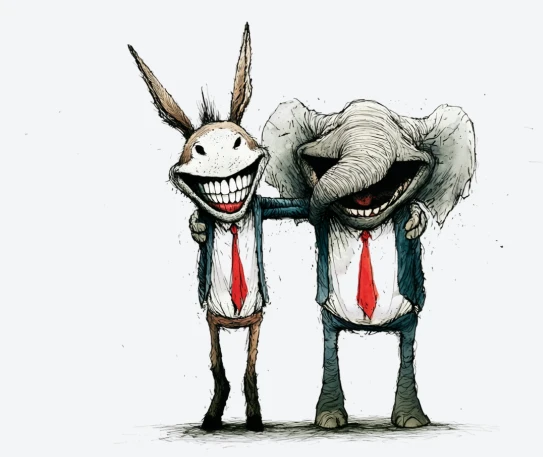
I really believe that the politics and elections have turned into a Sircus. In the age of information it is becoming increasingly difficult to find clear, easy to understand and neutral information to base your vote on.